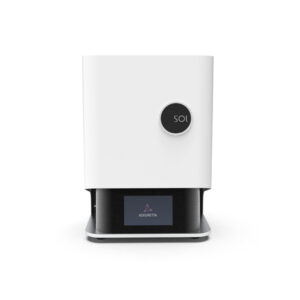
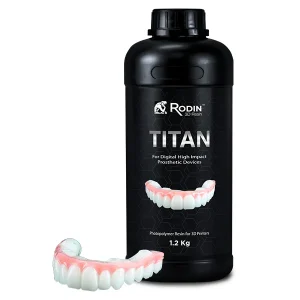

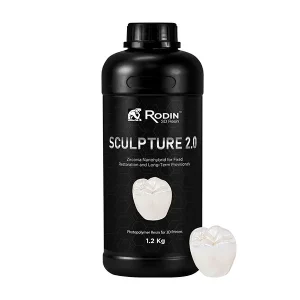
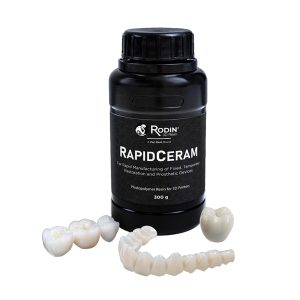




Description
With Each Paid Tuition You Get One Guest FREE
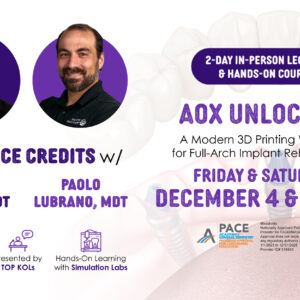
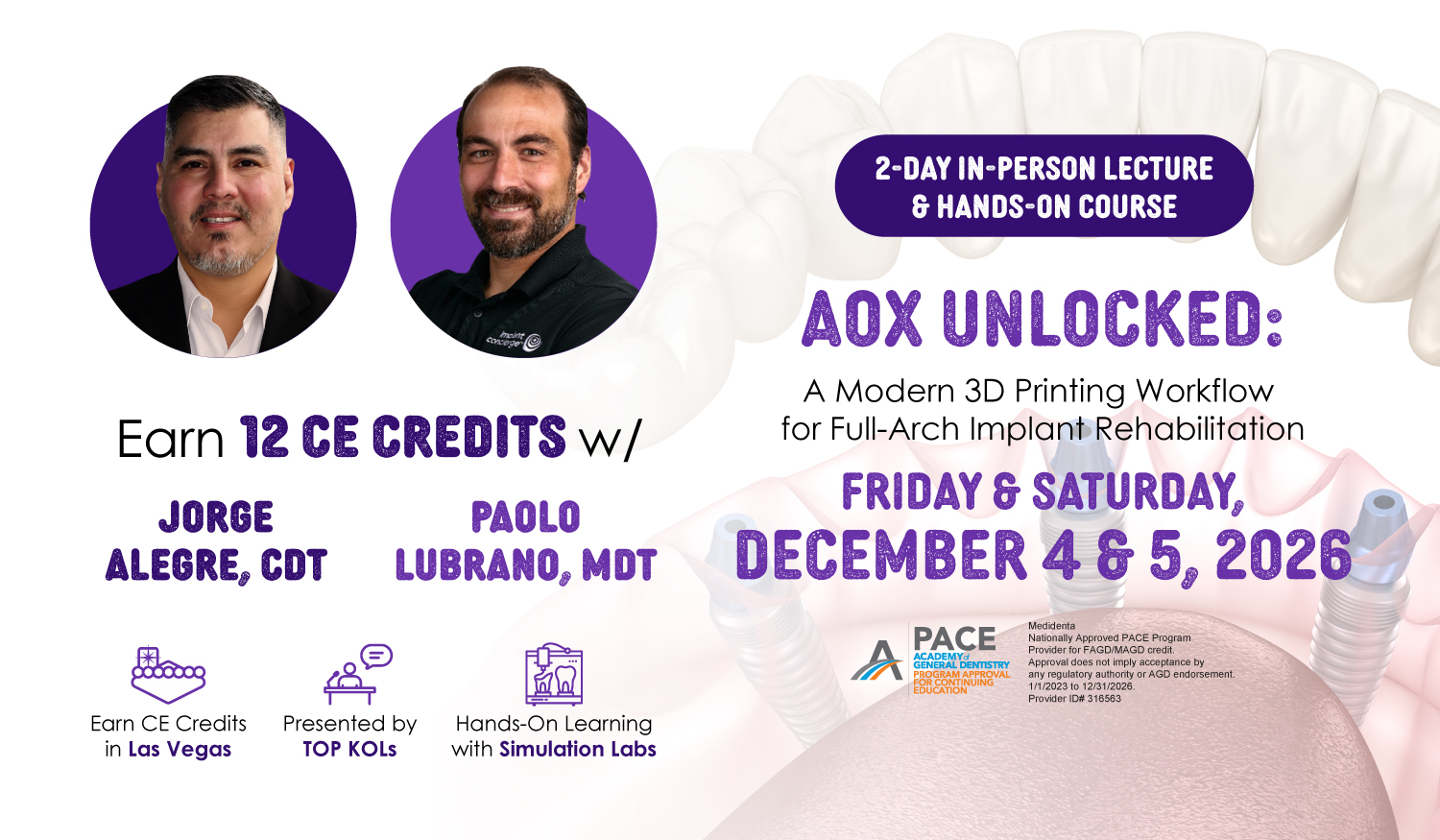
Friday, December 4, 2026 | 9am – 4pm
Day 1: Materials Science & Digital Treatment Planning
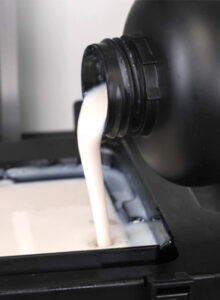
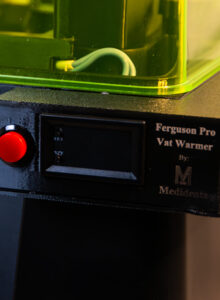
Day one opens with a deep dive into the material science of photopolymer resins — the foundation of modern digital dentistry. You’ll explore how material properties, indications, and printing parameters differ across applications: surgical guides, provisional restorations, full-arch dentures, and definitive restorations. Understanding these variables is essential to making confident, clinically sound decisions at every step of the workflow.
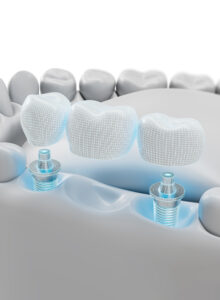
The afternoon shifts to hands-on digital treatment planning, where you’ll work through prosthetically driven implant positioning, surgical guide design, and provisional restoration planning for full-arch implant cases — guided by instructors with real-world digital workflow expertise.
Day 1 Topics Include
- Hands-On Implant Placement (Model Tabletop Format)
- Fundamentals of photopolymer materials in digital dentistry
- Material selection for surgical guides, provisionals, dentures, and definitive restorations
- Printing parameters and workflow optimization
- Prosthetically driven digital implant planning principles
- Surgical guide design and fabrication workflow
- Digital design of provisional implant restorations
Saturday, December 5, 2026 | 9am – 2pm
Day 2: 3D Printing, Post-Processing & Esthetic Characterization
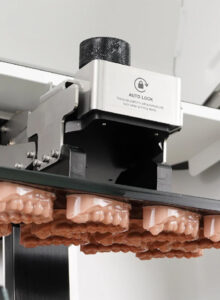
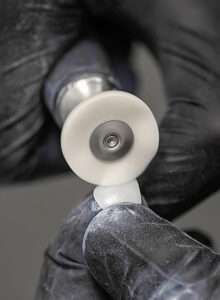
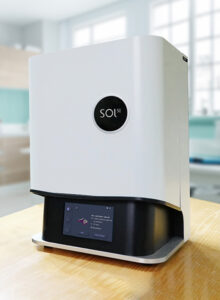
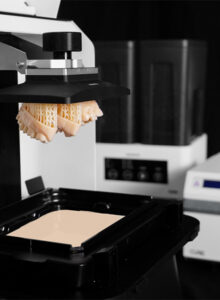
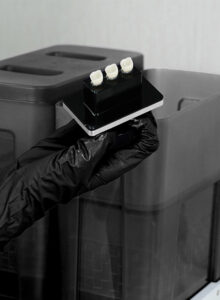
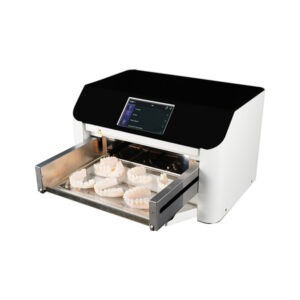
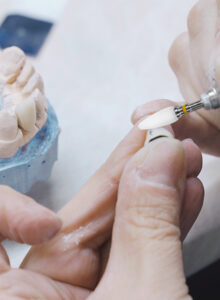
Day two is where digital plans become clinical realities. You’ll spend the morning and early afternoon working hands-on through the post-processing sequence that takes a freshly printed restoration from build platform to polished prosthesis — mastering the cleaning, curing, finishing, and characterization steps that determine long-term function and esthetic excellence.
Instructors will walk you through staining and glazing techniques for full-arch restorations and dentures, with a focus on building workflows that are consistent, efficient, and predictable across cases.
Day 2 Hands-On Experience Includes
- Preparing printed restorations for post-processing
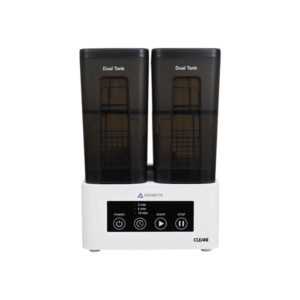
- Cleaning and post-processing protocols
- Proper post-curing procedures
- Finishing and polishing techniques
- Surface characterization, staining, and glazing
- Characterization of full-arch restorations and dentures
- Clinical and laboratory workflow optimization strategies
- Best practices for predictable digital restorative outcomes
Learning Objectives
After completing this course, participants will be able to:
- Describe digital workflow principles for full-arch implant rehabilitation, from initial planning through final prosthesis delivery.
- Compare photopolymer materials based on indications, properties, and clinical use cases — including surgical guides, provisionals, dentures, and definitive restorations.
- Apply prosthetically driven planning methods to develop accurate, reproducible implant treatment plans.
- Design surgical guides and provisional restorations using CAD and digital planning software.
- Execute proper 3D printing, cleaning, and post-curing protocols to optimize the accuracy and performance of printed appliances.
- Perform finishing, polishing, staining, and glazing procedures that improve esthetic outcomes and long-term durability.
- Assess and refine digital workflows to increase consistency and efficiency in implant-supported prosthetic fabrication.
- Build a cohesive, repeatable workflow that integrates digital design, additive manufacturing, and restorative protocols across full-arch cases.
Educational Format
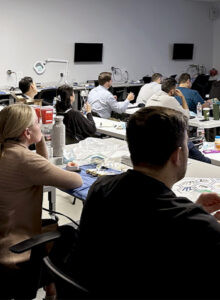
Didactic Lecture, Hands-On Exercise & Live 3D Workflow Demonstrations
Intended Audience
- Dentists (General & Specialists)
- Dental Laboratory Technicians
- Dental Assistants and Clinical Team Members involved in digital implant workflows
Educational Philosophy
AOX Unlocked is built on a simple conviction: digital workflows should work in the real world, not just in theory. Every session is grounded in evidence-based technique and designed to give attendees a practical, repeatable framework they can bring back to their practice or lab immediately. The goal is not just knowledge — it’s measurable improvement in clinical accuracy, efficiency, and restorative outcomes.
Participant Supply Requirements
Participants must bring a fully charged laptop for the digital treatment planning and CAD design exercises. Software requirements and installation instructions will be sent in advance. Please ensure your laptop meets minimum system specifications before the course date.
Continuing Education
12 CE Hours — Category 690: Implants